
TMJ/TMD TreatmentIn Sheldon and Rock Valley
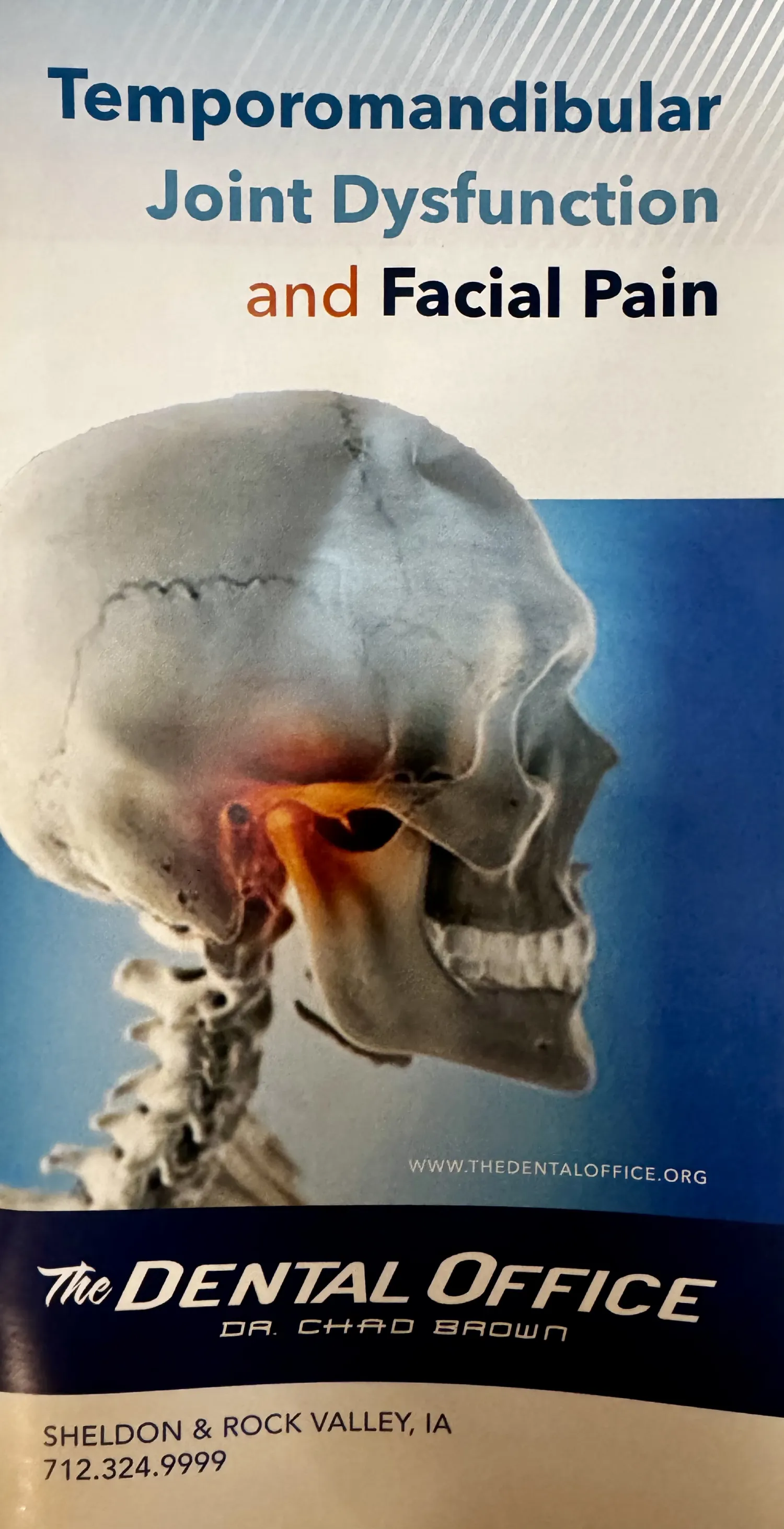
TMJ/TMD refers to disorders affecting the temporomandibular joint, which connects the jaw to the skull, causing pain, discomfort, and difficulty with jaw movement. At The Dental Office, we provide thorough assessments, advanced imaging, and personalized treatment plans to address the root causes of TMJ/TMD and help restore optimal jaw function and relief from pain.
Why Seek Treatment for TMJ/TMD?
TMJ/TMD treatment is essential for restoring proper jaw function, alleviating pain, and getting you back to your daily routine. The pain and discomfort associated with TMJ/TMD can be severe, making it difficult to eat, chew, or speak without discomfort. These issues will not resolve on their own and may worsen over time. Dr. Brown has dedicated time to continuing his education in TMJ and facial pain, helping patients find effective solutions and lasting relief. If you're experiencing jaw pain, it’s important to seek help. Contact us today for a consultation, and we'll work to diagnose the issue and provide the care necessary to restore your jaw's health and function.

Stress-Free Care For You
We’re committed to making care affordable and accessible. Our team is here to help you finance TMJ/TMD treatment in a way that fits your lifestyle and budget.
Discuss your concerns
Get an expert opinion
Learn about treatment plan options
The Benefits of TMJ/TMD Treatment
Relieve Your Pain And Discomfort
TMJ/TMD causes serious, chronic jaw pain that can interfere with your ability to work, focus on school, and live your day-to-day life. With proper treatment at our office, you can get your life back to normal.
Restore Oral Range Of Motion
TMJ/TMD can make your jaw “lock” or stiffen. This makes it hard to open and close your mouth properly, which could interfere with biting, eating, and even speaking. Treating TMJ/TMD restores your oral range of motion.
Treat Other Related Problems
TMJ/TMD is related to lots of other problems including tinnitus (ringing of the ears), teeth grinding, chronic headaches, neck and upper back stiffness, and more. With proper treatment from a qualified dentist, you can get relief from a variety of symptoms that may be related to TMJ/TMD.
Our Difference
Durable Nightguards
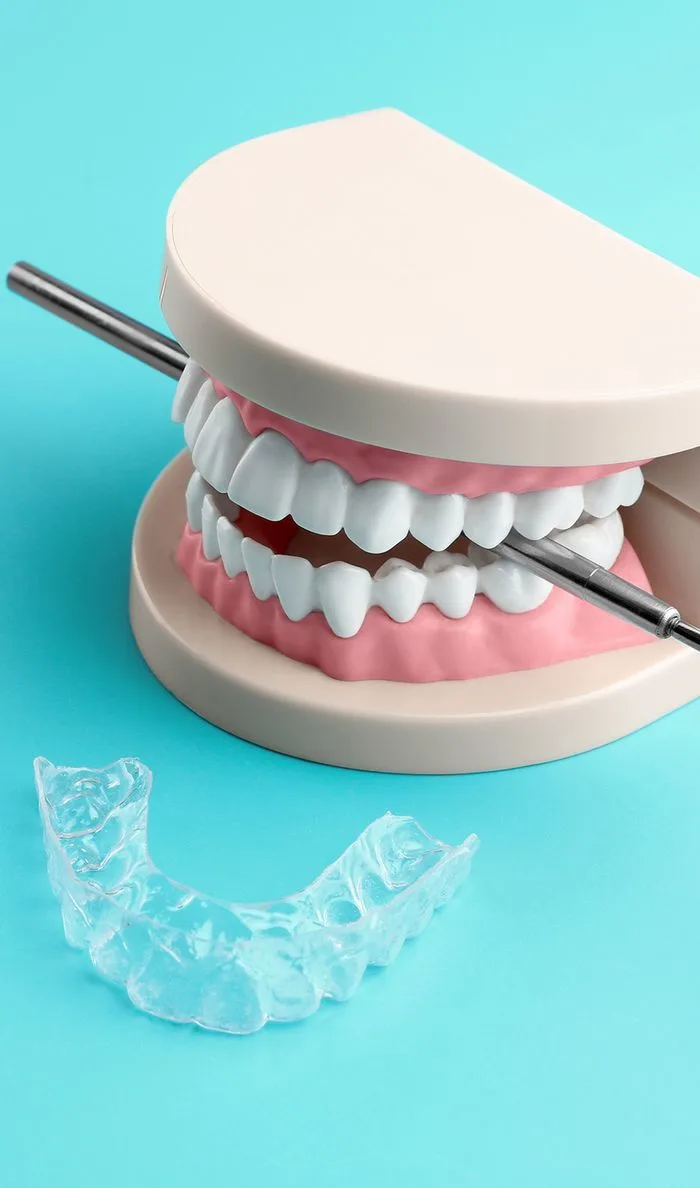
If you grind or clench your teeth at night, your doctor can prescribe a custom-made acrylic guard to keep your jaw in the proper position. Nightguards are long-lasting and require little maintenance, making them one of the most reliable TMJ/TMD treatments.

Advanced Tools for Precise Care
While traditional x-rays provide 2-dimensional images, our Cone-Beam Computed Tomography (CBCT) can capture a 360 view of your jaw, teeth, and mouth. This unparalleled precision allows your dentist to provide the most accurate diagnosis for your unique condition.

Goop-Free Impressions
With the iTero Intraoral Scanner, your dentist can take a non-invasive 3D scan that captures the form and structure of your mouth for custom-fit night guards. It’s a fully digital process — no putty necessary.
The TMJ/TMD Treatment Process
Initial Consultation & Diagnosis
When we see a patient for the first time, we begin with a casual consultation. This initial meeting allows both our team and the patient to get to know each other and understand the primary concerns. During this time, we conduct a thorough investigation, including a review of the patient’s health and trauma history, signs and symptoms, and previous treatments or appliances used.

Understanding Your Treatment
We use a Doppler to listen to the joint, seat the condyles, and observe any skeletal and/or dental discrepancies. At this stage, we gain a clear understanding of the problems and can explain the plan going forward. We will also discuss the next steps, including the process of getting completed records, imaging the joint, and the estimated time involved.

Records and Imaging
During your second appointment, we collect the necessary records to tailor your treatment to your unique needs. This includes intra and extra-oral photos, impressions for study models, bite registrations in multiple positions, 3D Cone Beam radiographs, and a prescribed MRI.
Data Analysis and Final Consultation
After gathering and analyzing all the data, we input the information into a template, which helps present everything in a clear, easy-to-understand format. The patient then returns for a final consultation where we discuss the diagnosis and formulate a personalized treatment plan.
Treatment Options and Next Steps
There are several treatment options designed to manage the patient’s symptoms. While some of these solutions may provide short-term relief, they often end up being long-term treatments. In cases of significant damage to the joint, surgery might be the most effective option. We always strive to avoid surgery when possible, but if needed, we work with skilled oral surgeons who can perform the procedures with a high degree of predictability and success.
FAQs
Frequently Asked Questions
Check out these frequently asked questions, or call us to speak with our team.
The symptoms of TMD vary quite a bit depending on the patient. You may experience issues like:
If you notice any of these symptoms, we recommend scheduling an appointment with your dentist right away to get help.
TMD and TMJ pain is caused by a variety of different issues:
Because TMD and TMJ pain can be caused by so many different health issues, it’s important to see an experienced dentist when seeking care.
Some cases of mild TMD may go away on their own with lifestyle changes, such as ceasing gum chewing, de-stressing to eliminate teeth clenching, and more. However, if you suffer from the symptoms of TMD for more than a week or two, your condition may be chronic. To learn more about your specific case of TMD, it’s best to seek a qualified, experienced dentist to get the help you need.